
For the simplified version of what bipolar is, have a look at the Bipolar UK website here: https://www.bipolaruk.org/about-bipolar/what-is-bipolar/ This website is a great resource for people who have bipolar and those wishing to learn more about the condition.
Although people who have bipolar will experience certain aspects of the illness similarly, bipolar is complex and symptoms can often manifest differently from one person to the next. In this explanation I will talk you through what bipolar looks like for me.
Is there more than one type of bipolar diagnosis?
The answer is yes! Here are two of the bipolar types that I have lived experience with:
Bipolar 1 – This type of bipolar is often regarded as the more extreme incarnation of bipolar; because the diagnosis criteria says that someone with bipolar 1 has to have experienced at least one manic episode lasting more than a week and usually (but not always) a few depressive episodes. The manic episodes often manifest in different ways to different people. However, they often feature a euphoric mood, racing thoughts, high energy, apparent lack of need for sleep, hyper fixation, overspending, risk taking, lack of inhibitions, hypersexuality, delusions and hallucinations. These a frightening and potentially dangerous symptoms. These episodes can cause damage to your brain.
Bipolar 2: This type of bipolar is often regarded as lest severe as bipolar 1, however the depressive episodes can be more severe and debilitating. Bipolar 1 is characterised by having at least one depressive episode and hypomanic episodes lasting more than four days. Hypomania is a less severe form of mania, that often features apparent lack of need for sleep, racing thoughts, hyperfixation, over spending, elevated mood, hypersexuality, risky behaviour and high energy. Bipolar depression can be debilitating and life threatening in both bipolar 1 and bipolar 2.
There are other types of bipolar, such as cyclothymia, rapid cycling bipolar and unspecified bipolar disorder, but I won’t discuss them here as I don’t have experience with these nuanced conditions. You can however find out more on the following link on the Mind website: https://www.mind.org.uk/information-support/types-of-mental-health-problems/bipolar-disorder/types-of-bipolar/
What type do I have?
Bipolar is notoriously difficult to diagnose due to symptoms that can overlap with other conditions. So it was no surprise that I was misdiagnosed with clinical depression eight years prior to my bipolar 2 diagnosis. Initially my bipolar symptoms manifested as long periods of crippling depression interspersed with shorter periods of hypomania and life threatening anxiety. All in all pretty horrible stuff. During the nine years of my initial bipolar diagnosis I was trialed on a range of psychiatric medication to help manage my symptoms. Some combinations helped with some of my symptoms, but none of them touched the depression. It seems I was treatment resistant.
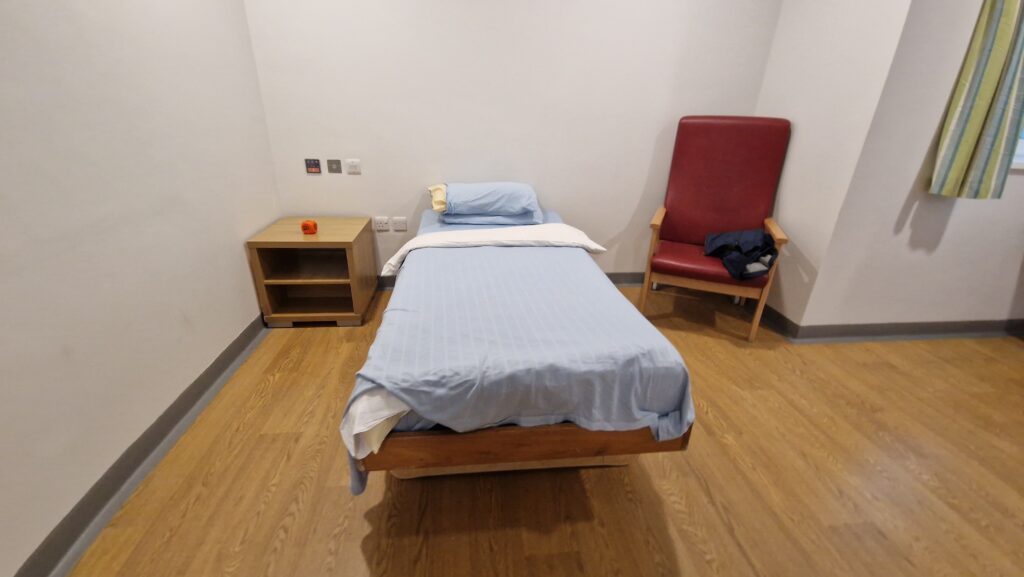
Eight years after my bipolar 2 diagnosis every thing changed. During early spring I had my first full blown manic episode. This was a pretty horrible experience that came with racing thoughts, delusions, audible and visual hallucinations, severe agitation and persistent suicide ideation. I was in a very dark place and I’m not proud to admit that things got so bad that I felt I had no other option than to end my life. Obviously I failed at that (which I am happy about now) but the attempt as well as my out of control symptoms got me admitted to the psychiatric ward of one of the local hospitals for ten weeks. That wasn’t a lot of fun, in fact quite traumatic at times. I did meet some good friends whilst I was there.
Once out of hospital and back home with my family a few more medication changes were made in an attempt to help me manage things better. Unfortunately the chronic depression was still not being alleviated. I was then referred to the Regional Affective Disorders Service (RADS) by my psychiatrist. After my very intense session with RADS, I received their assessment and recommendations. They changed my bipolar 2 diagnosis to bipolar 1 and added complex post traumatic stress disorder (cPTSD). They also recommended some new medications to try and some therapies.
So far my psychiatrist has added in one of the recommended medications and so far it seems to me helping. So much so, I am able to start birding after a ten year break.
Whilst medications can help to manage the condition, they are not a cure. They are important, but they only make my symptoms more bearable, there is no cure for bipolar, it’s a lifelong illness. Every day is a challenge and some days are a lot more challenging than others. We keep going, of course we do!
If you have any questions about anything written on this page, please do let me know via the contact form.
Useful links:
Bipolar UK – https://www.bipolaruk.org/
Mind – https://www.mind.org.uk/
The Samaritans – https://www.samaritans.org/