Some Solway Shorebirds…

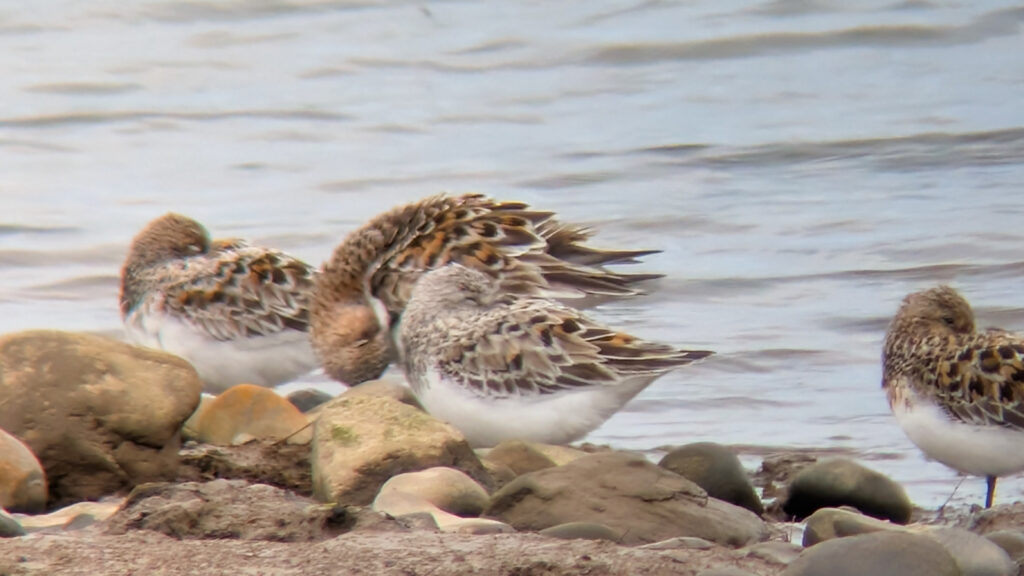
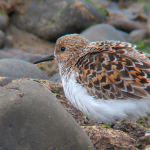
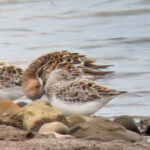
Three roosting Sanderling and one preening its belly feathers all stood on a rocky shoreline with water flowing behind. All birds are well into their breeding plumage, showing a lot of chestnut in their wing coverts.

This morning Shannon and I decided to explore the inner Solway Firth, starting at Campfield Marsh RSPB reserve. The reserve was busy with warblers, with Sedge Warblers, Willow Warblers, Common Whitethroats, Blackcaps and Garden Warblers all recorded as we made our way around the reserve. It was great to see Avocets, Osprey and a Marsh Harrier as well as several Little Egrets. We also saw several Grey Herons dotted around the reserve. Reed Bunting and Eurasian Skylark We’re singing across some of the open grassland.

We fought our way through the ‘jungle’ to get ourselves to the end of Bowness Viaduct. There were reasonable numbers of Eurasian Oystercatchers and Dunlin feeding on the mud, but the star birds were two smart looking Bar-tailed Godwits. This was a new bird (lifer) for Shannon, so a double bonus!

After a lot of walking, we were pleased to sit ourselves down on a bench at Bowness Railings and scanning the shoreline to see what we could find.
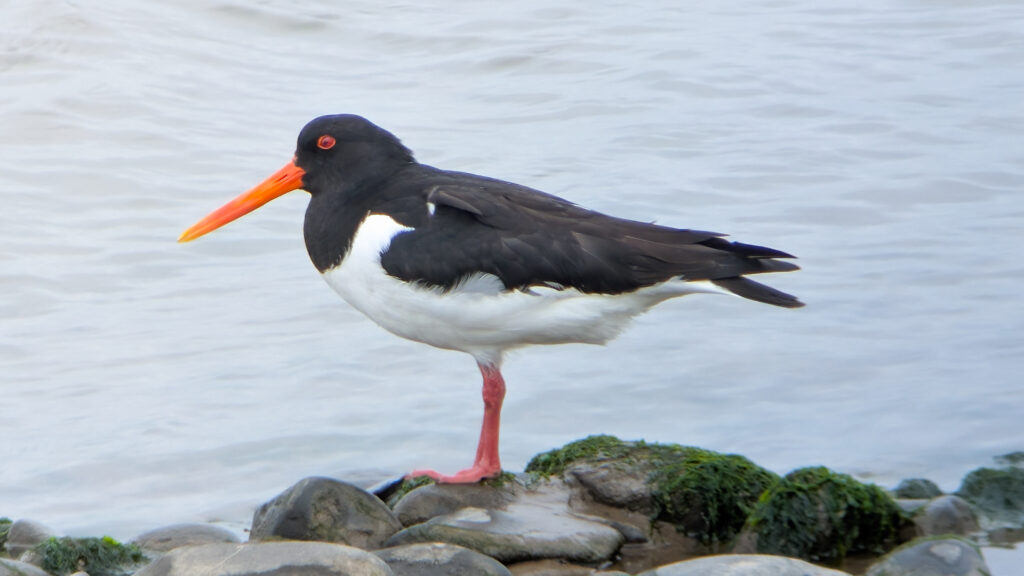
Oystercatcher facing left, stood on a rock with flowing water behind. Its black head, breast and back with white underside contrasting with bright orange bill, eyering and legs.
European Oystercatcher

The tide was still quite low, so I was surprised how many shorebirds there were feeding and roosting along the stony shoreline. I counted seventy-three Ringed Plovers amongst thirty-seven Dunlin.
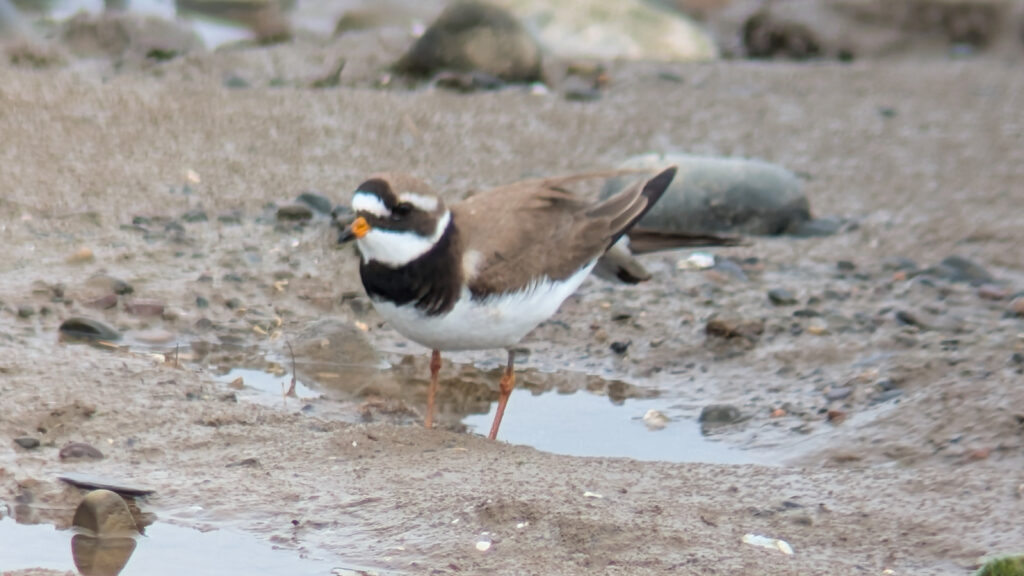
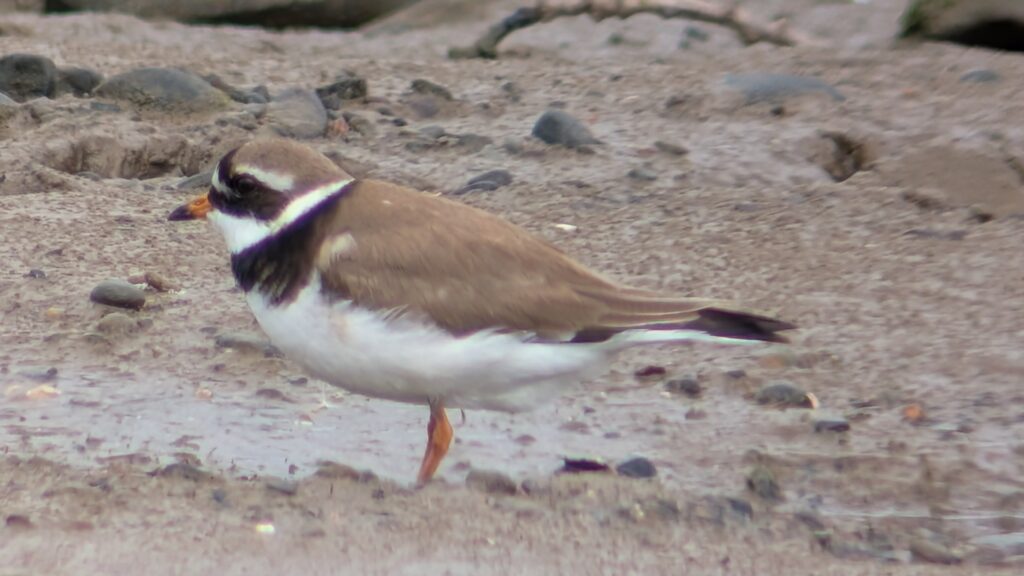
A candidate Tundra Ringed Plover stood near a small pool surrounded by mud. The plover is slightly to the left of center in the image. The Ringed Plover is facing left, showing its brown head, breast band and back contrasting with the white belly, throat and forehead. The bill is orange with a black tip, the legs are also orange. The bird is facing slightly forwards, but at an angle that allows you to see its fresh primaries.
Tundra-type Ringed Plover
A candidate Tundra Ringed Plover stood near a small pool surrounded by mud. The plover is slightly to the left of center in the image. The Ringed Plover is facing left, showing its brown head, breast band and back contrasting with the white belly, throat and forehead. The bill is orange with a black tip, the legs are also orange.
Tundra-type Ringed Plover
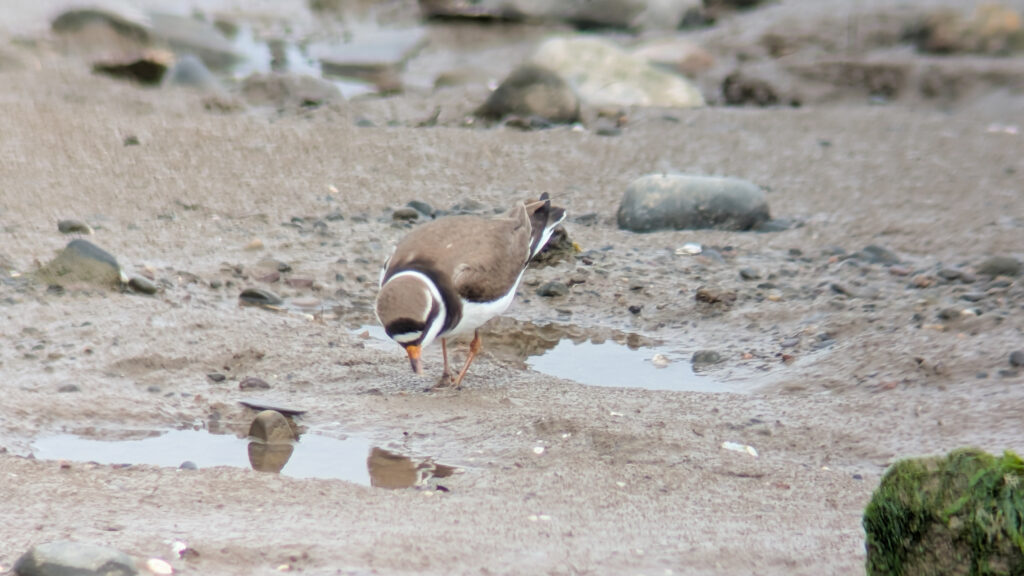
A candidate Tundra Ringed Plover stood near a small pool surrounded by mud. The plover is slightly to the left of center in the image. The Ringed Plover is facing downwards as it feeds, showing its dark head and breast band contrasting with the white belly, throat and forehead. The bill is orange with a black tip, the legs are also orange.
Tundra-type Ringed Plover
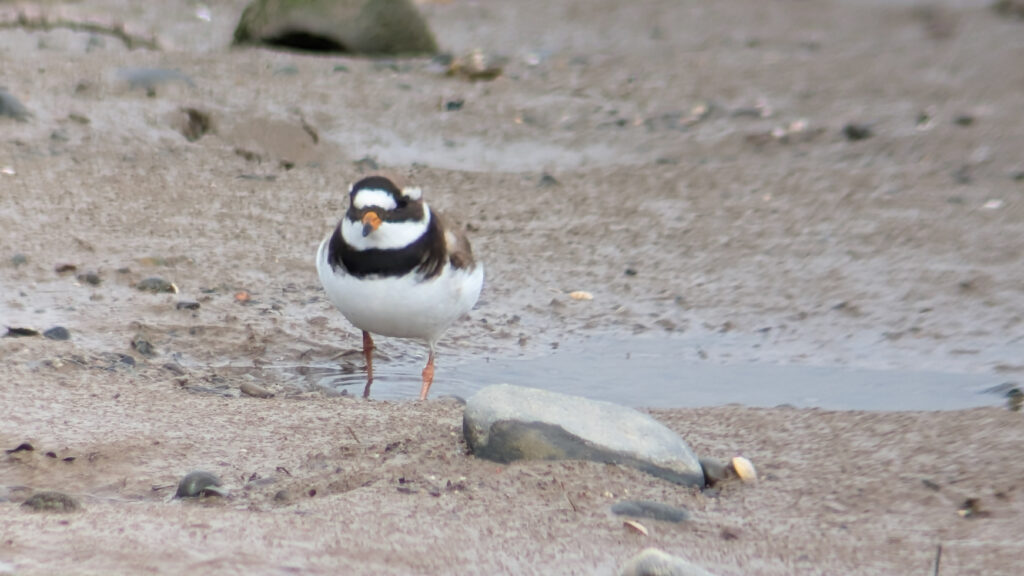
A candidate Tundra Ringed Plover stood in a small pool surrounded by mud. The plover is slightly to the left of center in the image. The Ringed Plover is face on showing its dark head and breast band contrasting with the white belly, throat and forehead. The bill is orange with a black tip, the legs are also orange.
Tundra-type Ringed Plover

All of the Ringed Plovers that I looked at in detail seemed to be Tundra-types, I suspect it is likely that they all were. The Dunlin all seemed to be Southern Dunlin Calidris alpina schinzii, though I need to study these more to be certain.
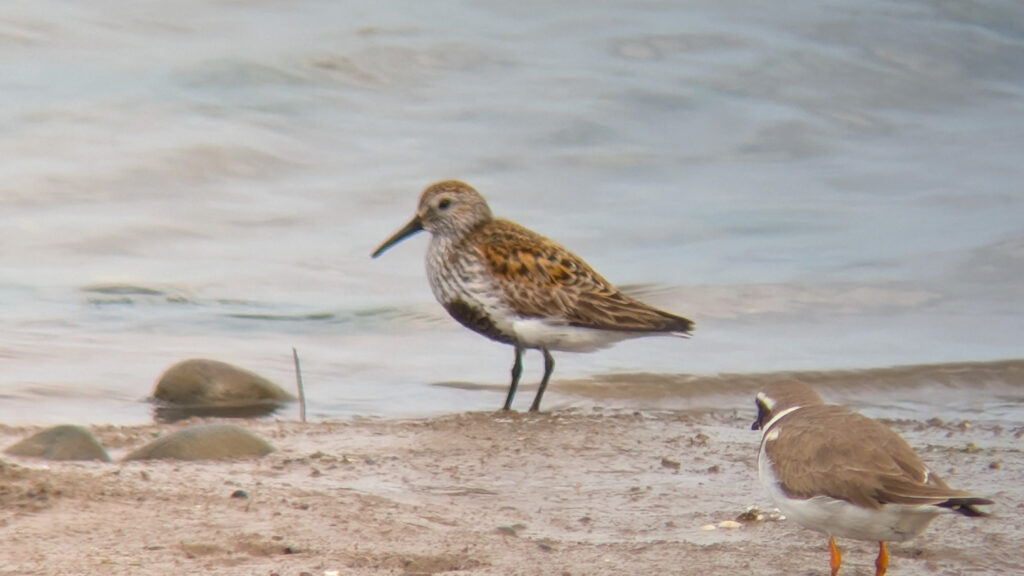
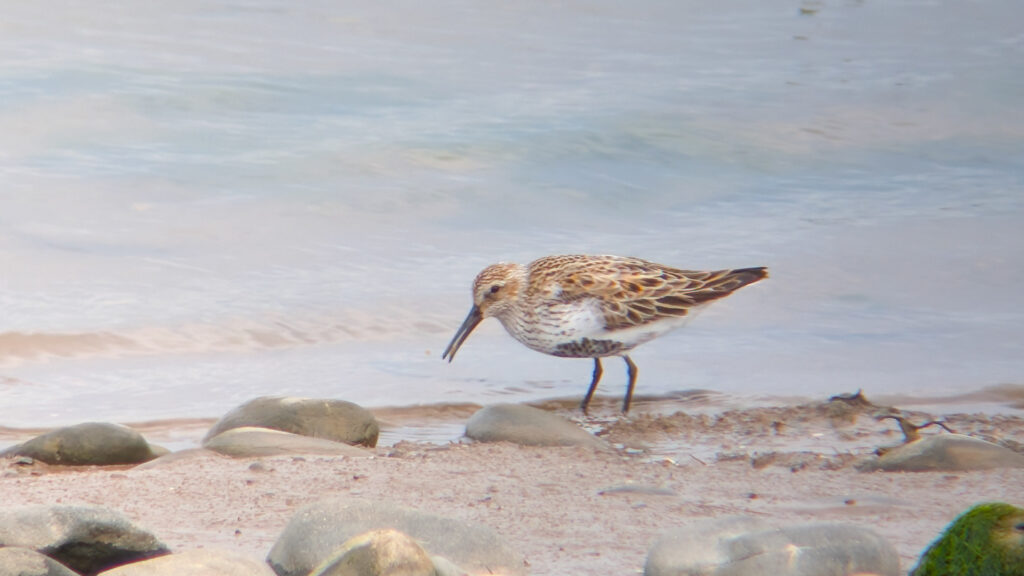
A summer plumaged dunlin in the center of the image, stood on mud close to the shoreline. In the foreground and to the right is a candidate Tundra Ringed Plover looking towards the Dunlin
Dunlin and Ringed Plover
A summer plumaged Dunlin in the center of the image, facing left, close to the muddy shoreline. Its long black bill is slightly open as it grips a small item of food.
Dunlin
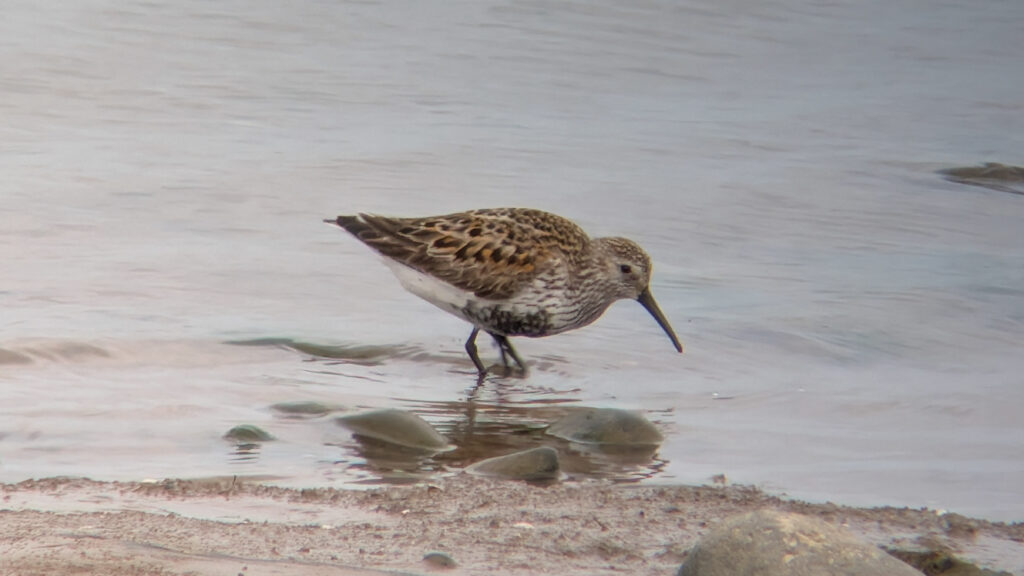
A summer plumaged Dunlin in the center of the image, facing right, close to the shoreline.
Dunlin

As I scanned through the shorebirds I was quite pleased to locate a small group of four Sanderling. They looked very smart progressing into there breeding plumage. What’s more is that Sanderling was Shannon’s second lifer of the day!
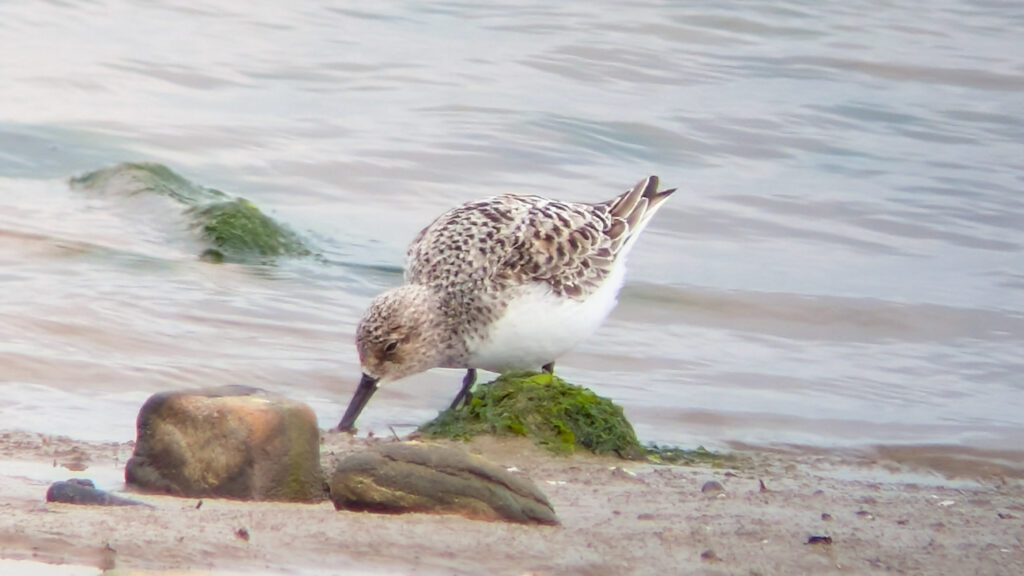
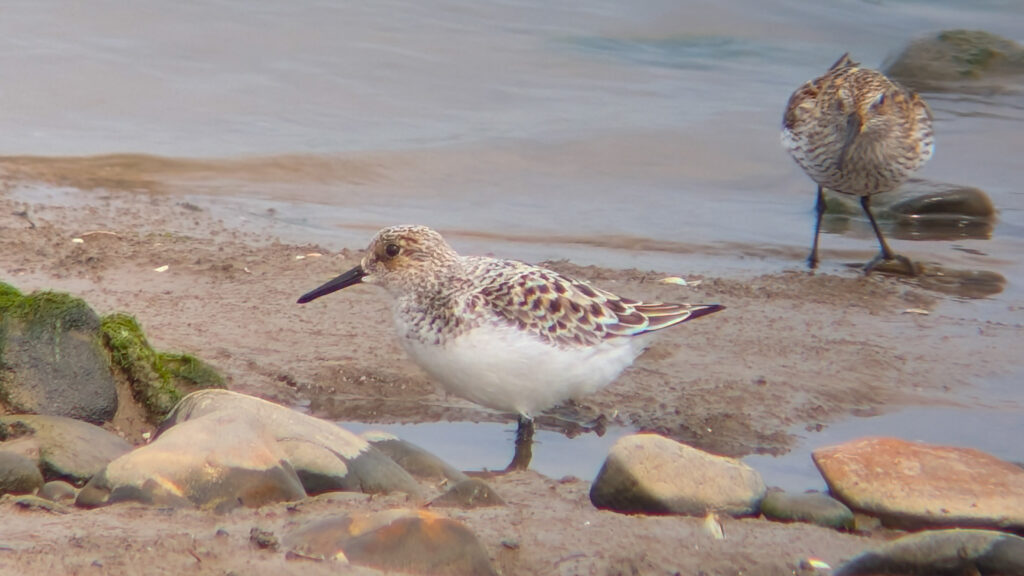
A Sanderling in the center of the image, facing left with its bill tip in the mud as it feeds. The bird is stood on the mud behind three rocks.
Sanderling
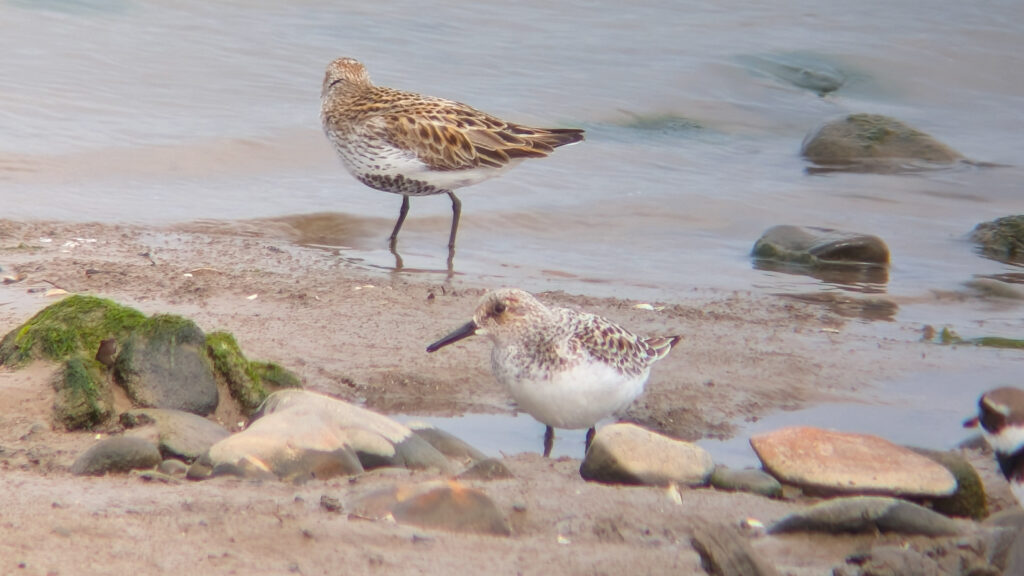
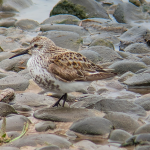
A Sanderling stood facing left, showing its straight black bill, mottled head and upper breast contrasting with gleaming white belly and black legs. The sanderling is in the foreground stood on sand at the edge of an inlet. Behind and slightly to the right a Dunlin is stood on sand looking towards the sanderling. The Dunlin is in full summer plumage.
Sanderling
A Sanderling stood facing left, showing its straight black bill, mottled head and upper breast contrasting with gleaming white belly and black legs. The sanderling is in the foreground stood on sand at the edge of an inlet. Behind and slightly to the left a Dunlin is stood on sand looking out across the estuary. The Dunlin is in full summer plumage.
Sanderling and Dunlin
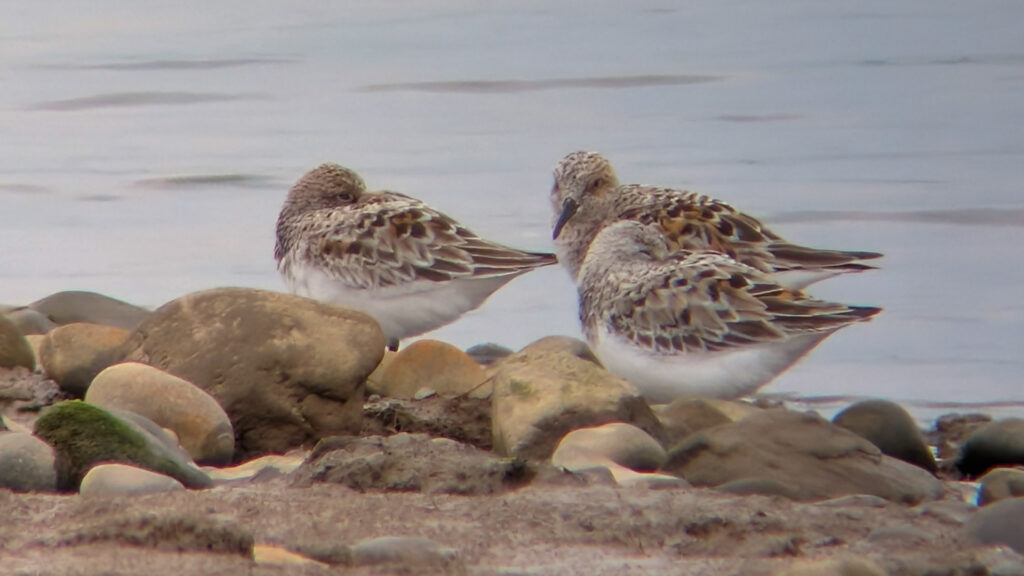
Two roosting Sanderling and one looking forwards, all stood on a rocky shoreline with water flowing behind. All birds are well into their breeding plumage, showing a lot of chestnut in their wing coverts.
Sanderlings
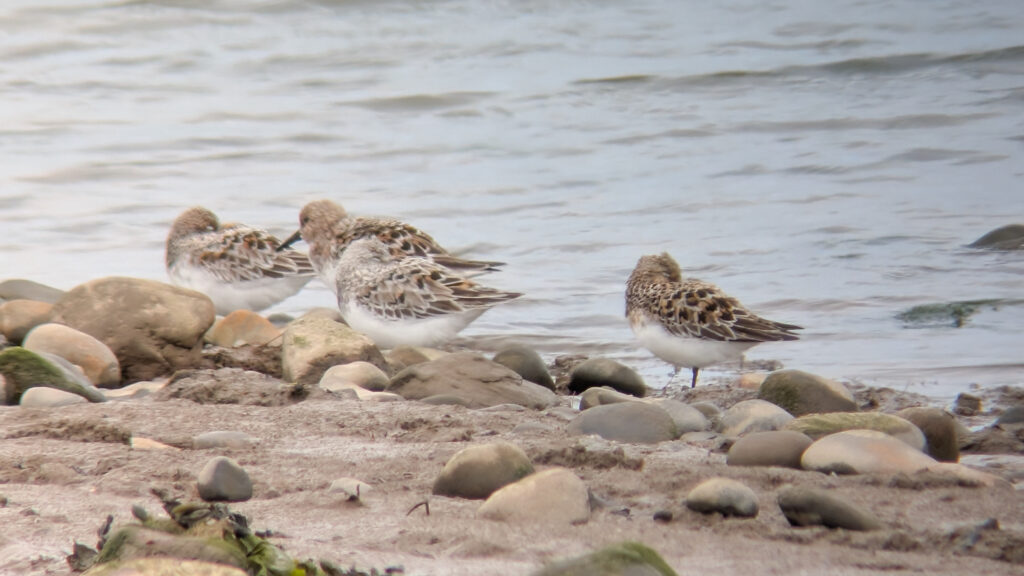
Three roosting Sanderling and one looking left, all stood on a rocky shoreline with water flowing behind. All birds are well into their breeding plumage, showing a lot of chestnut in their wing coverts.
Sanderlings
Three roosting Sanderling and one preening its belly feathers all stood on a rocky shoreline with water flowing behind. All birds are well into their breeding plumage, showing a lot of chestnut in their wing coverts.
Sanderlings

I had definitely found my happy place today. Sitting down watching shorebirds, sounds like optimal birding to me!

Comments

No comments yet. Why don’t you start the discussion?

    Leave a Reply

    Your email address will not be published. Required fields are marked *