

The quest…
Saturday saw Shannon and Erin joining me for a day on the inner Solway with the main aim being searching for calidrids (sandpipers). I find shorebirds (waders in old money) a fascinating, group to study. They can often be hugely charismatic, they are hugely varied, some travel huge distances between their wintering and breeding grounds and they can be a difficult identification challenge. I also like the fact that when you search through flocks of shorebirds you always have an outside chance of finding something rare or unusual. Saturday came with some anticipation to say the least!
Campfield Marsh…
Kath dropped us off at the cattle grid on Campfield Marsh RSPB reserve and we set off exploring the roadside pools. There were several Little Egrets present, a species that appears to be very common locally now. Common Redshank was our first shorebird of the day and Pied Avocet was Erin’s first lifer of the day.
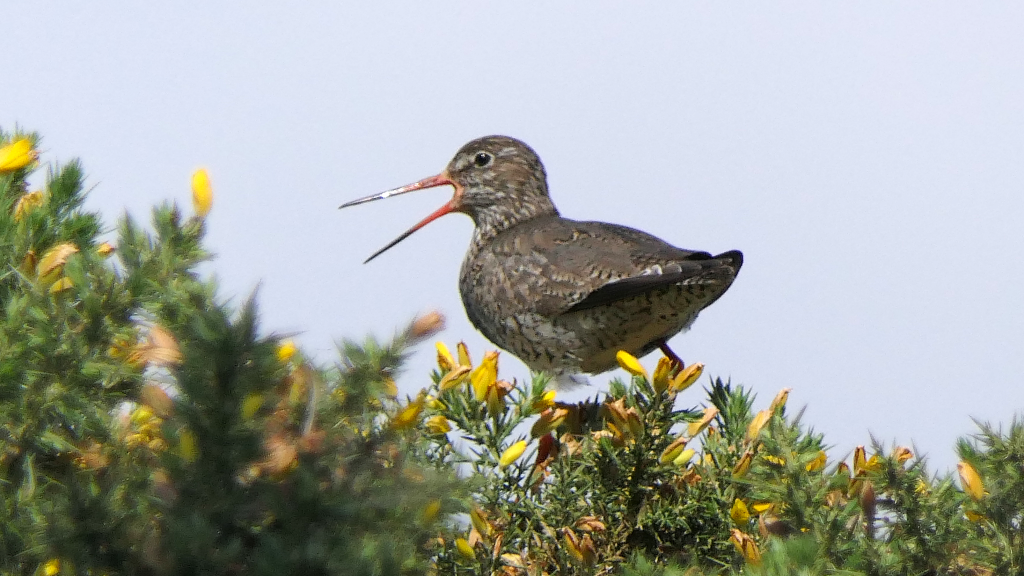
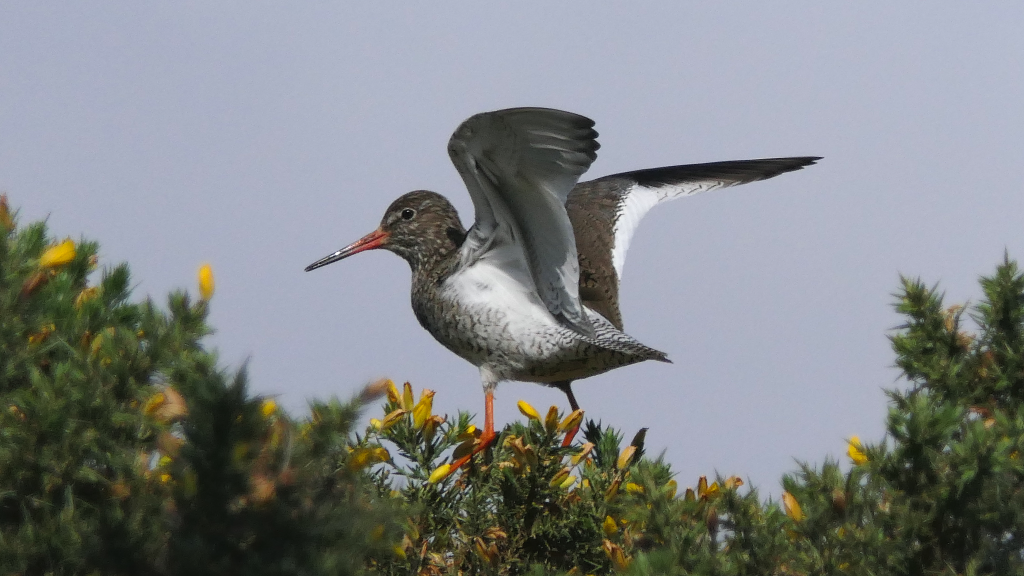
Along the road we noticed a pair of Common Redshank flying overhead constantly alarm calling, this was in response to the presence of a pair of marauding Carrion Crows near by. One of the redshanks perched on the top of a Gorse bush to keep a look out.
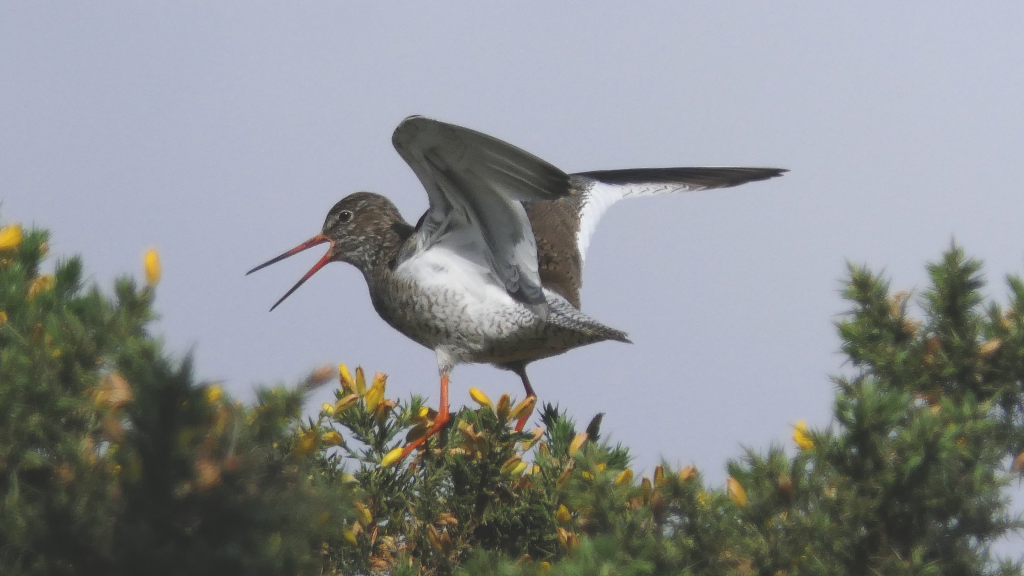
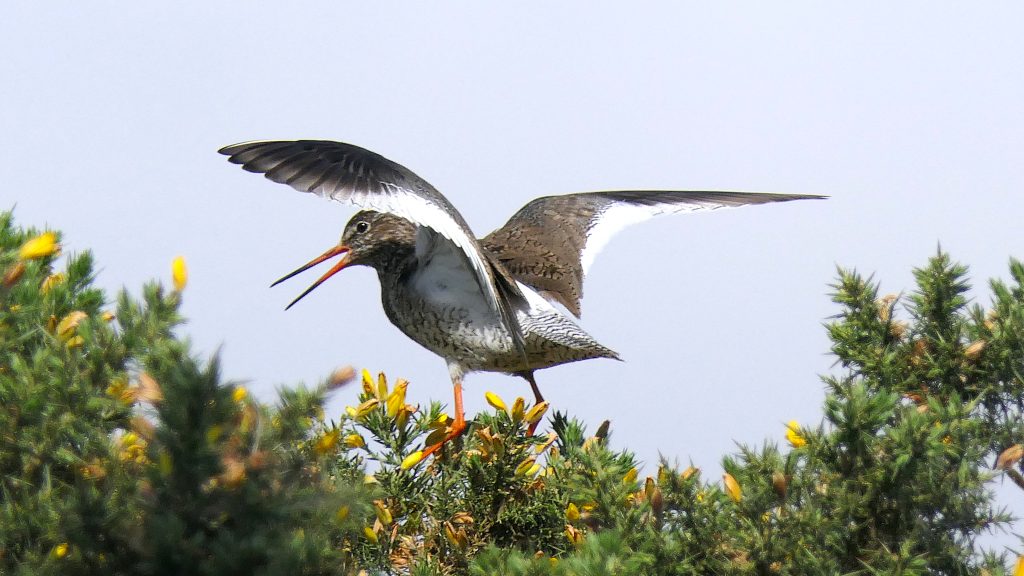
There were Common Whitethroat, Sedge Warbler, Common Chiffchaff and Willow Warbler singing in the hedgerows. North Plains provided us views of more Little Egrets, Common Redshank, Northern Lapwing, Marsh Harrier and Osprey. Another couple of new birds for Erin.
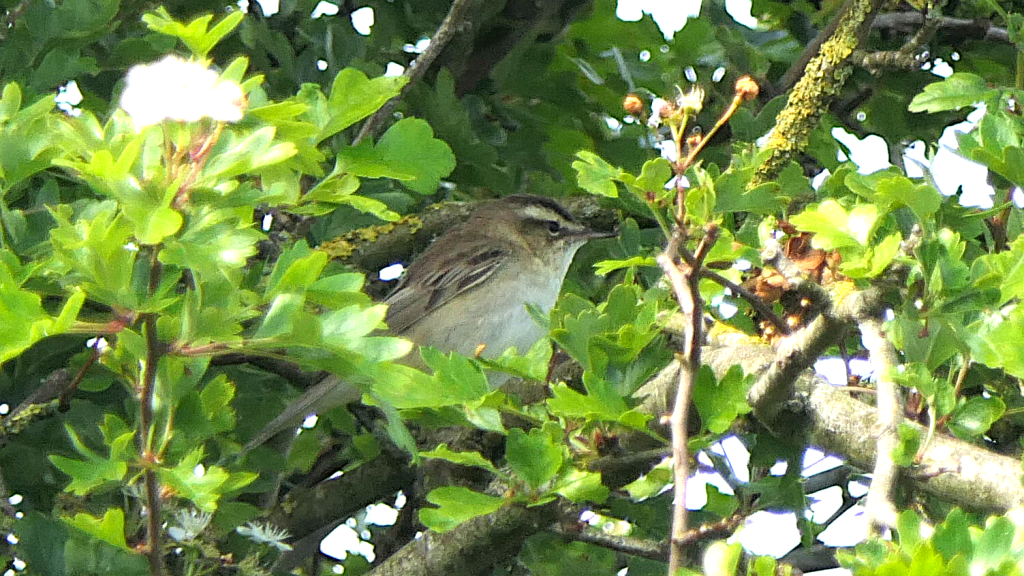
As we continued walking along the coast road towards Bowness-on-Solway, one of the many Sedge Warblers in evidence, showed nicely if not briefly in the center of a thorn bush. This was a delight to see and I even managed to snap a photograph of it!
Bowness Railings…
Next we stopped off in the village for lunch, then we made our way to Bowness Railings for the high tide. There were a lot of shorebirds present, roosting or feeding along the shore. It was good to have a lot of birds to look at, and I was in my element again.
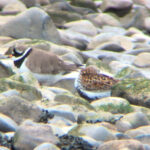
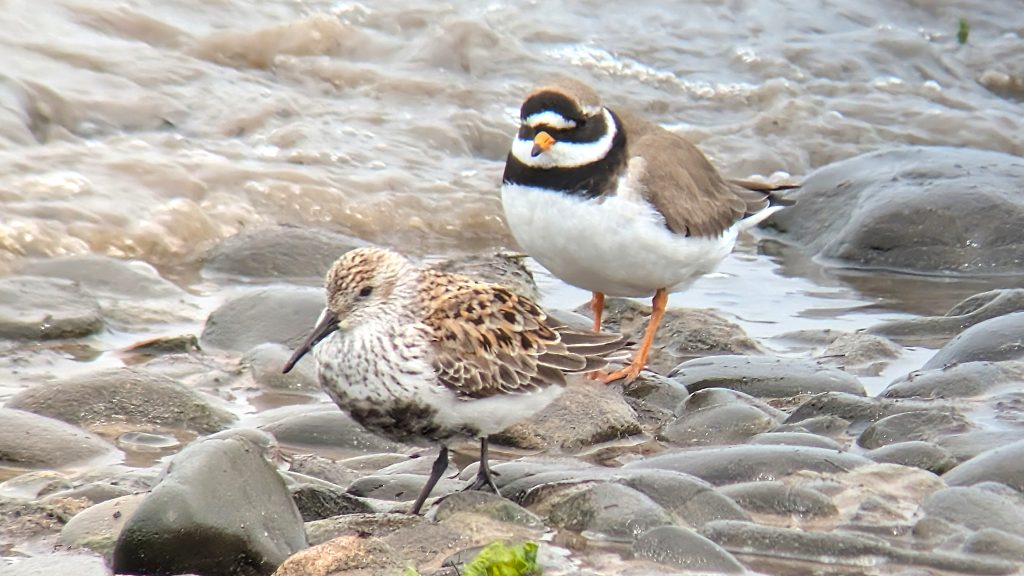
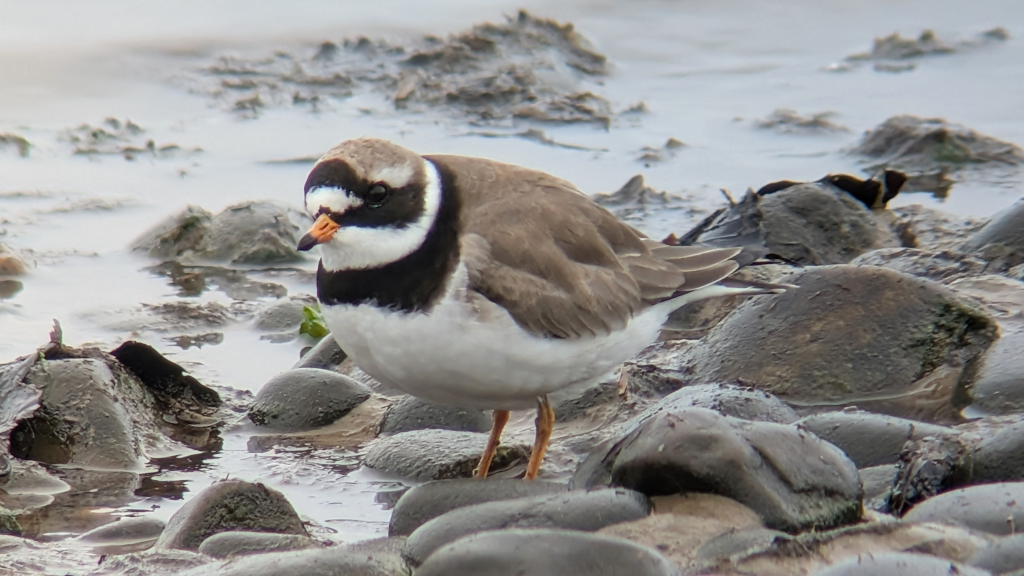
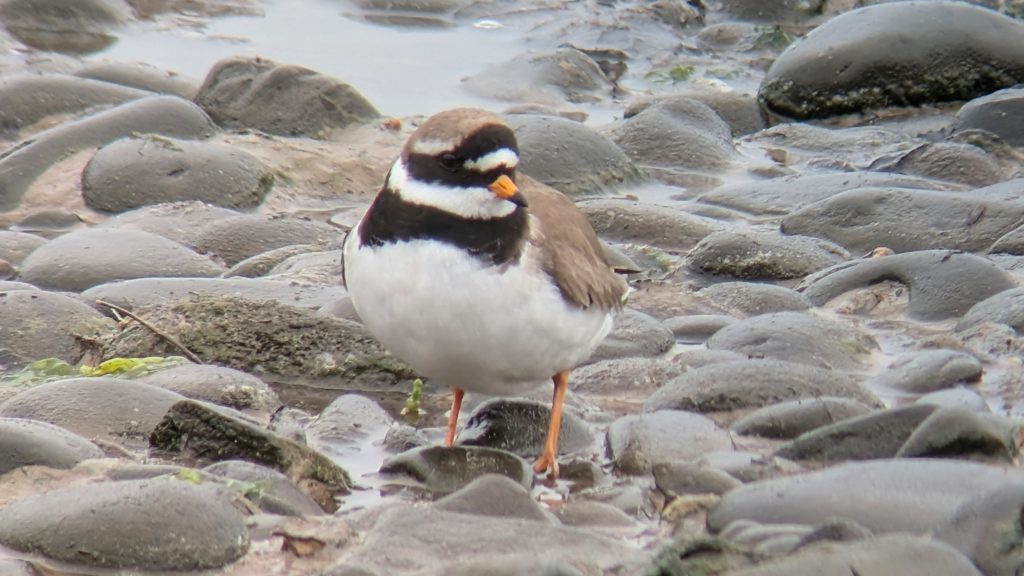
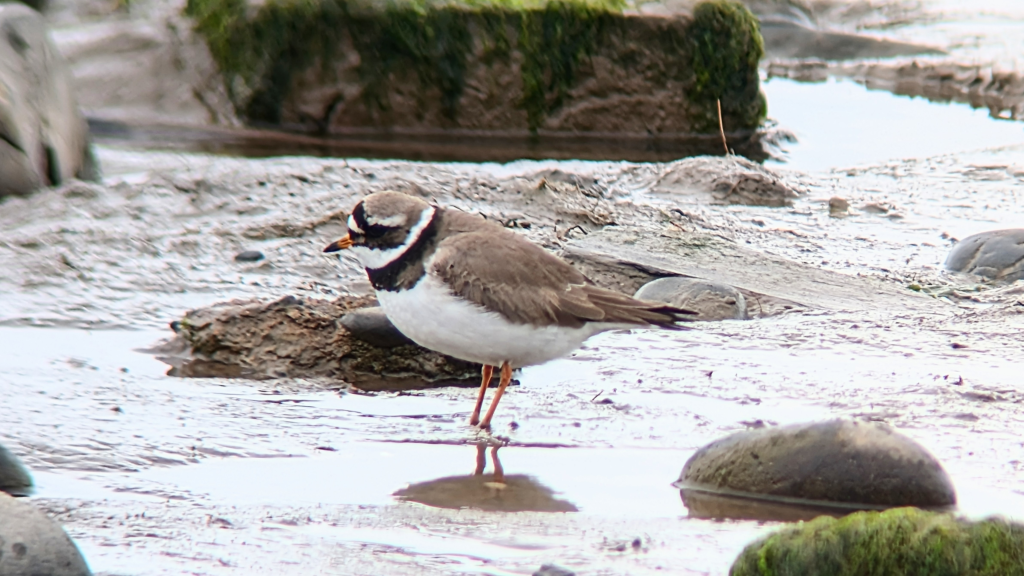
There were at least 164 Common Ringed Plover present along the rocky and muddy shore, this was over double the number I observed there the previous weekend, perhaps showing how valuable the site is for a stop off for arctic breeding shorebirds. I worked on the assumption that most of these plovers were Tundra Ringed Plovers, though not all that I studied were as clear-cut to give me confidence to identify them as such.
Dunlin conundrum…
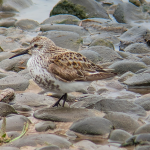
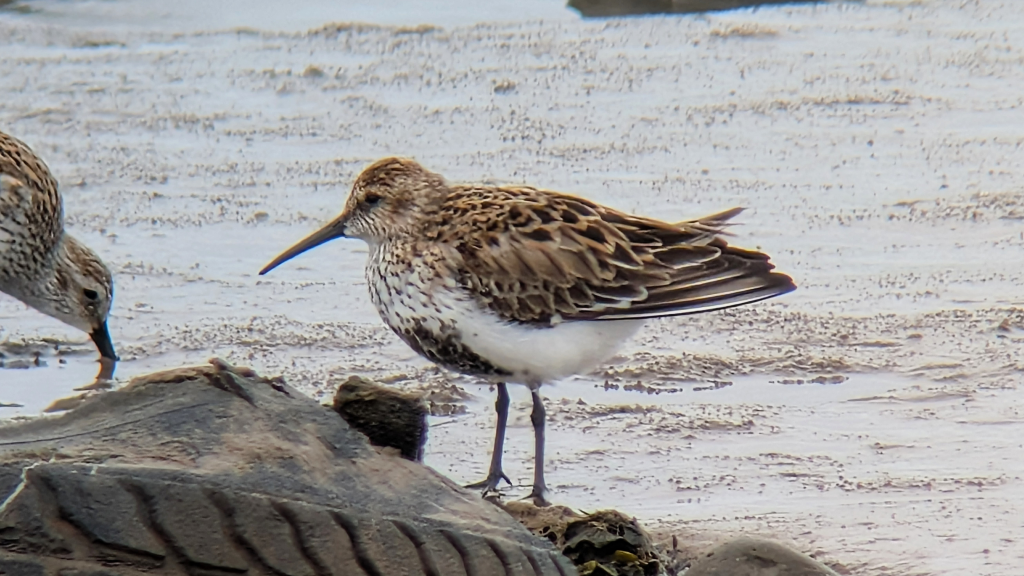
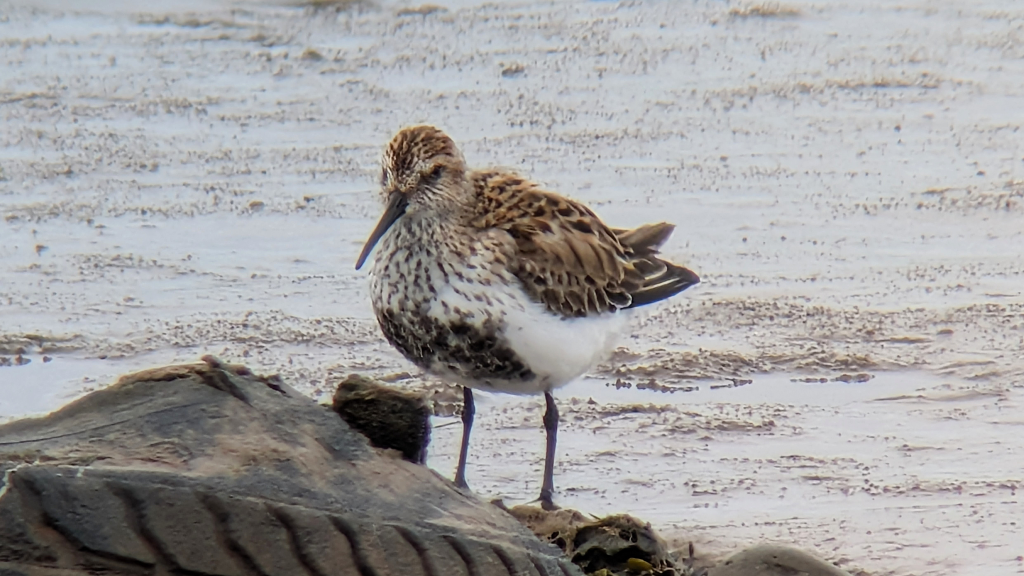
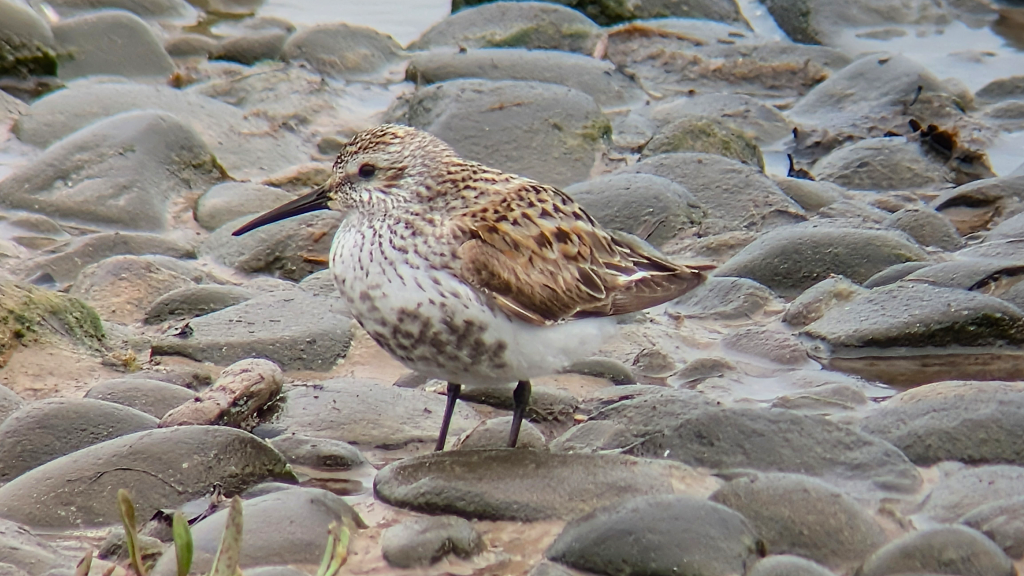
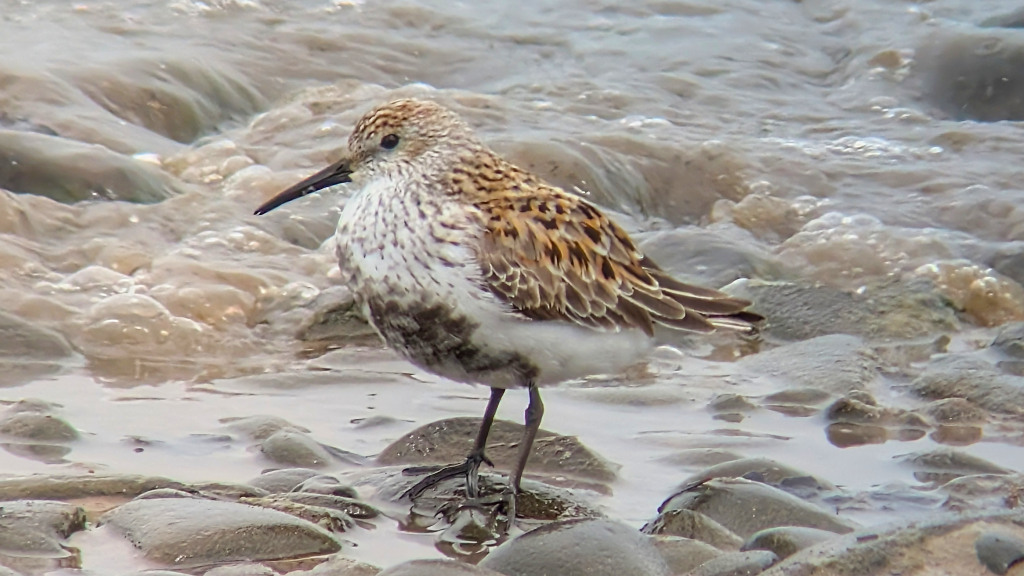
Dunlin were present in good numbers too. I counted 173 birds, which was a big difference from the 34 I counted the previous weekend. Of the Dunlin I checked, most appeared to be Southern Dunlin (shinzii), with smaller numbers of Northern Dunlin (alpina) . There was one pale bird that had me scratching my head a bit, but after consulting literature and discussing with friends, I am confident that it is a female Southern Dunlin (shinzii)
Sanderling Bonanza…
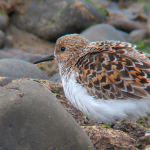
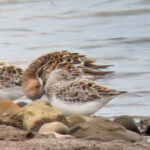
I was even more impressed with the Sanderling numbers present. The count tally totaled 186 birds, that was 182 more than I recorded the previous weekend. I think this is the biggest count that I’ve ever recorded there, amazing. The Sanderling were in an array of stages of moult, from only just transitioning from winter plumage to full breeding plumage, and everything in between. A truly stunning spectacle!
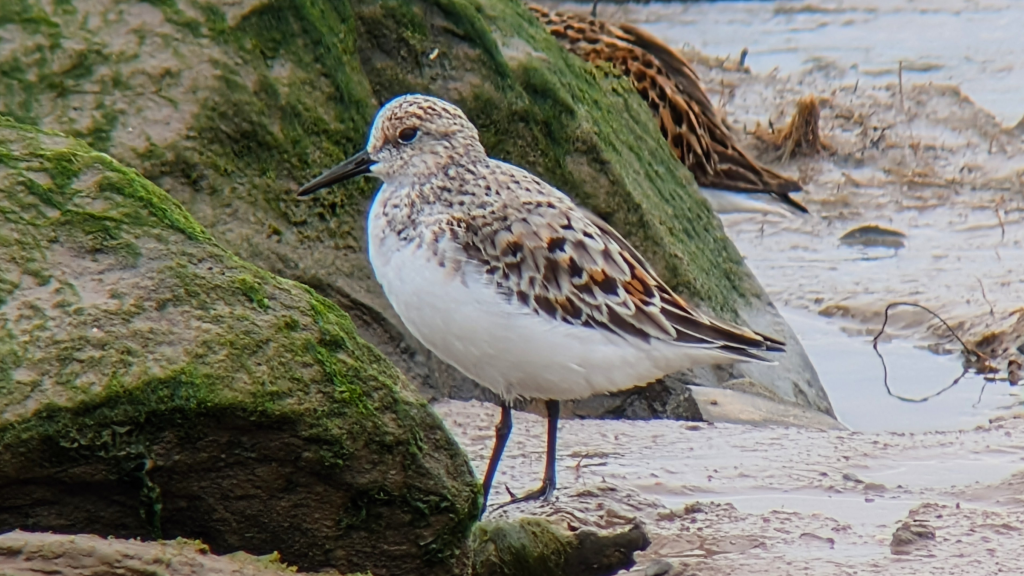
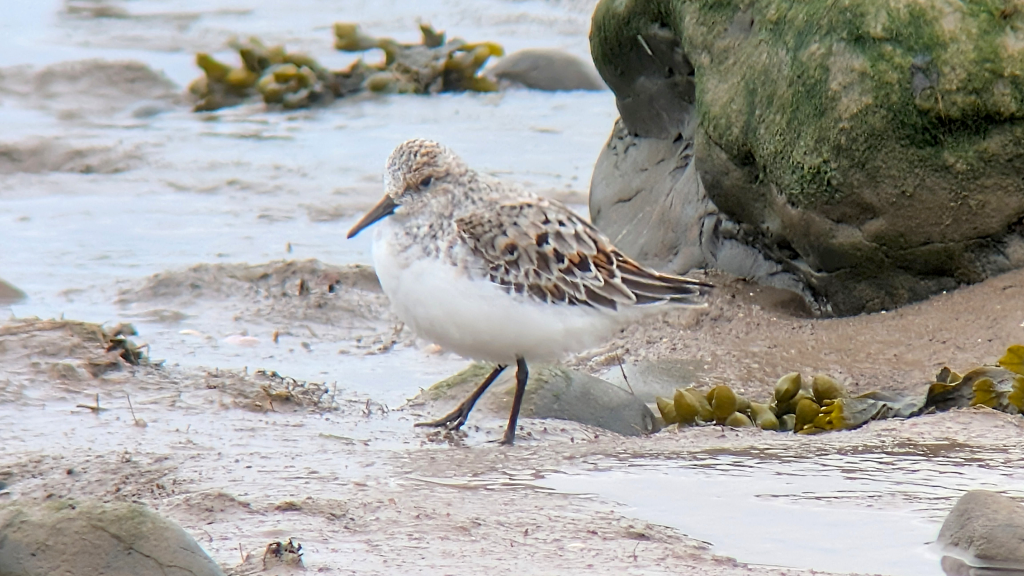
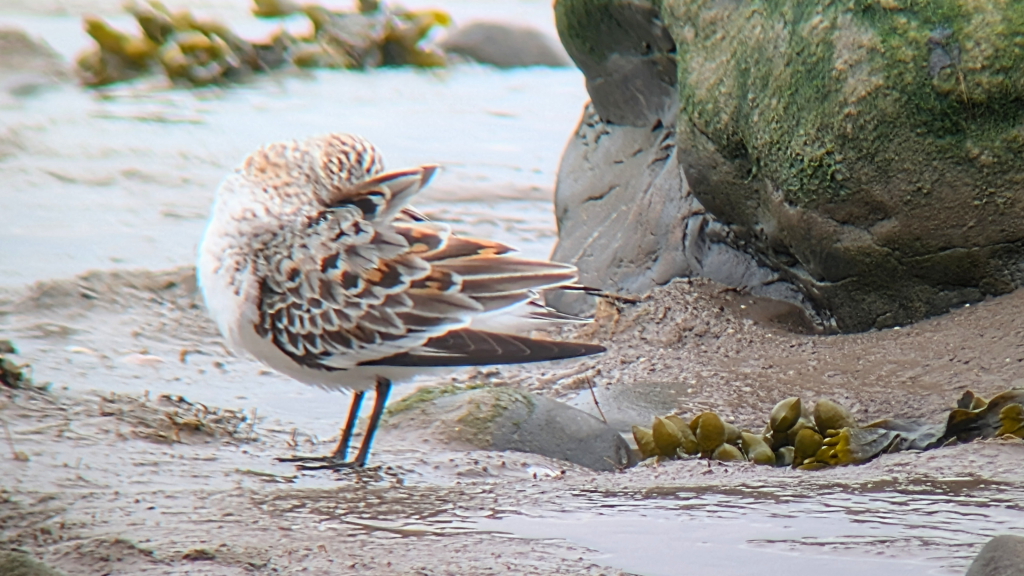
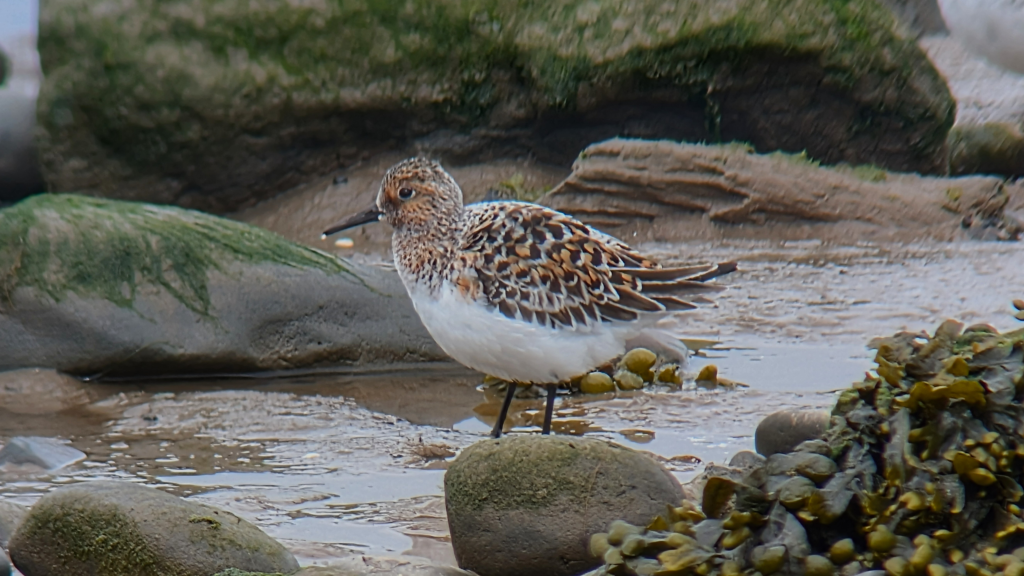
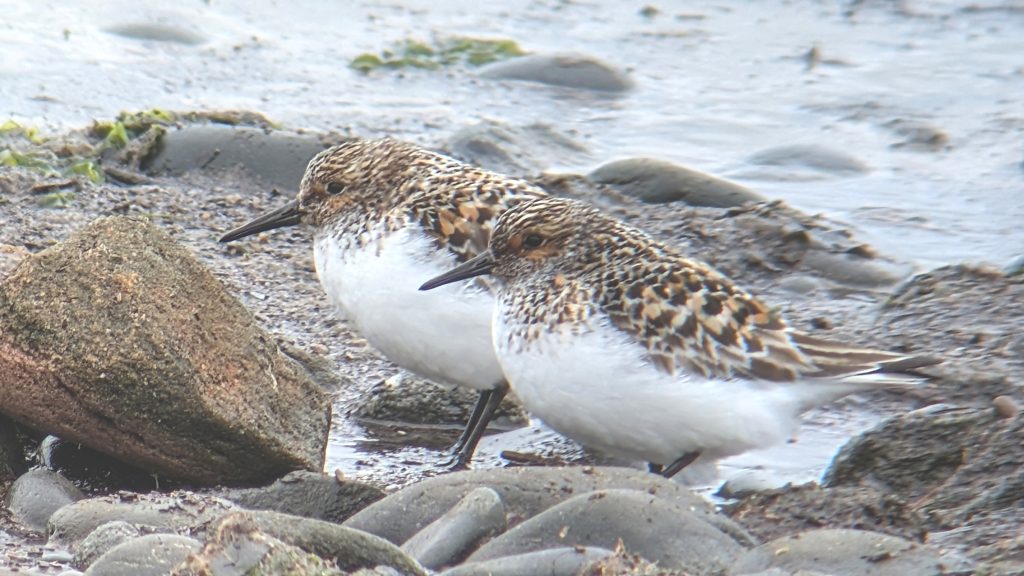
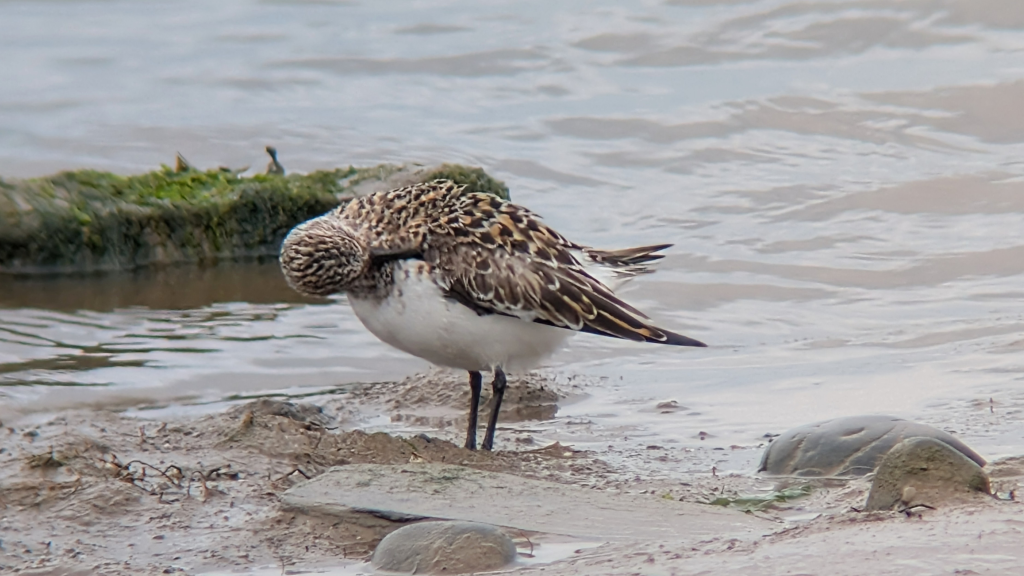
I spent a good few hours enjoying the shorebirds, unfortunately no rare or scarce birds found, maybe next time. It was fun searching though!
Port Carlisle Harbour…
We finished off the days birding with a walk to Port Carlisle Harbour. There wasn’t many small birds present on the falling tide, but Grey Herons and Little Egrets kept us nicely entertained.
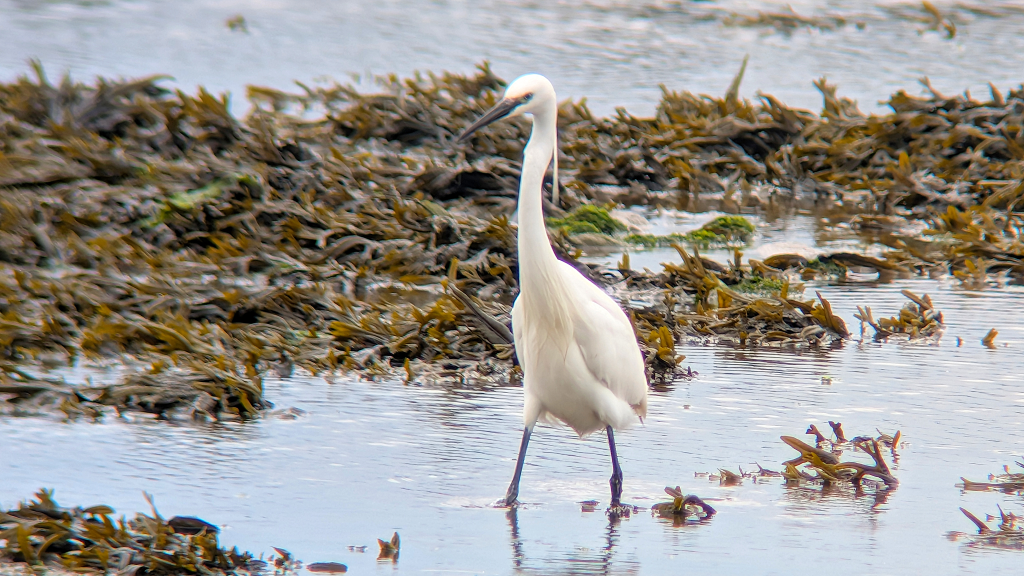
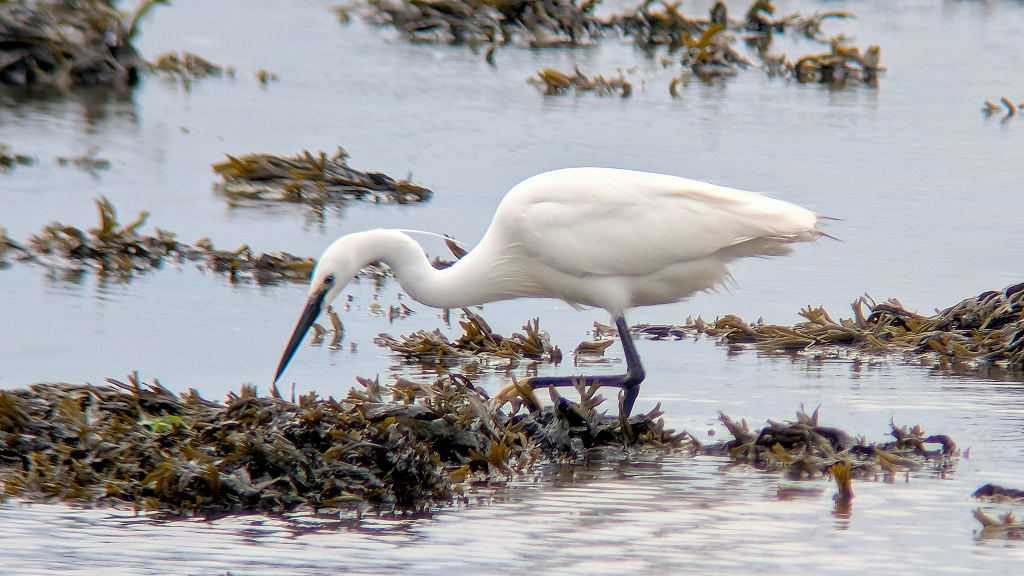
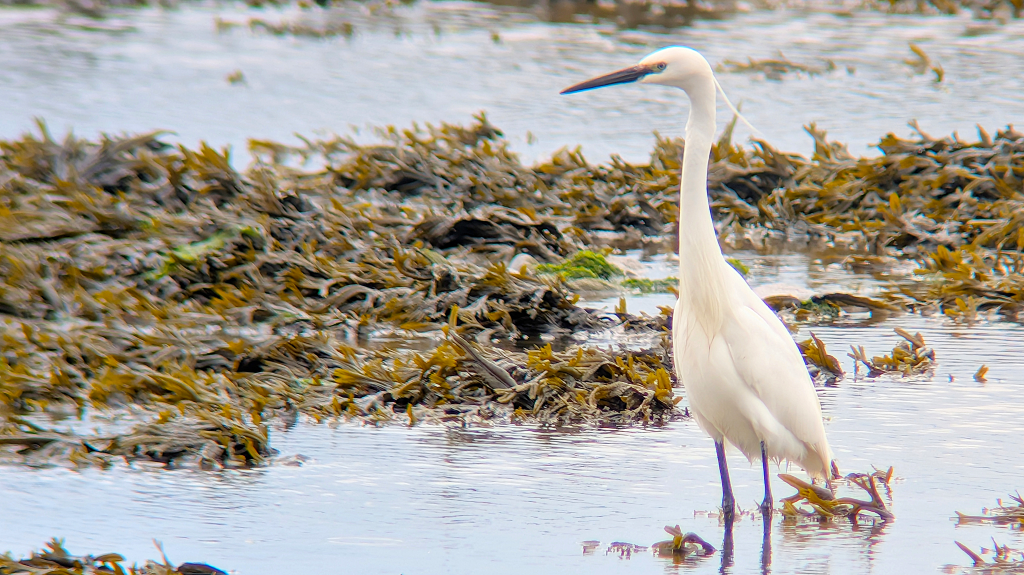
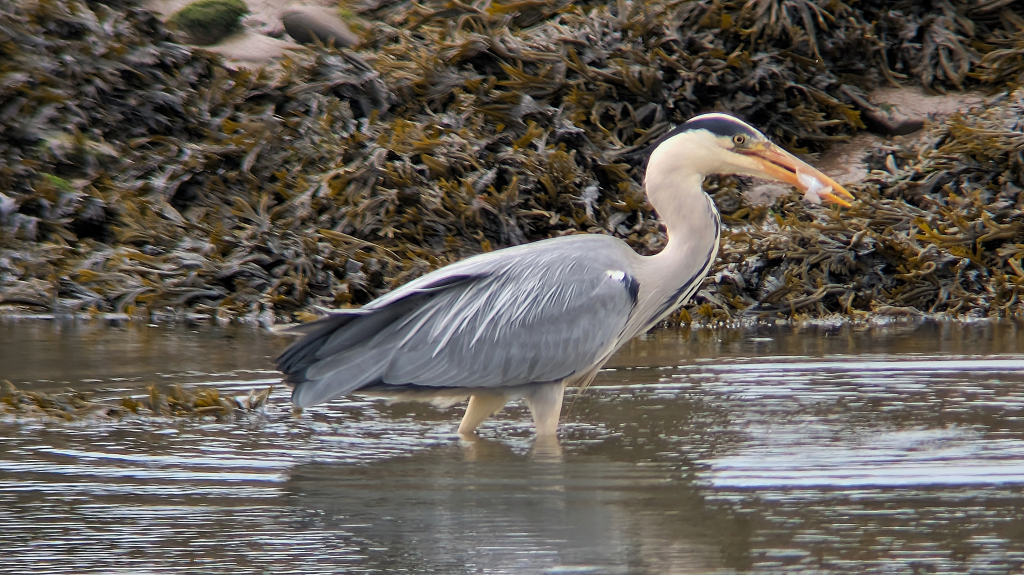
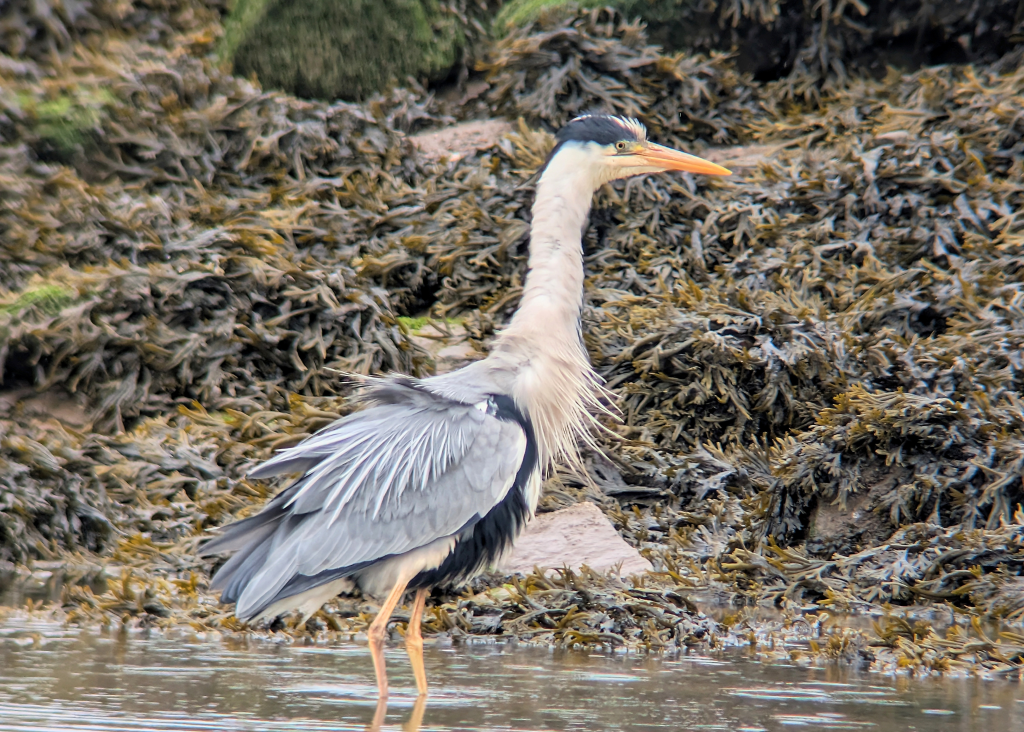
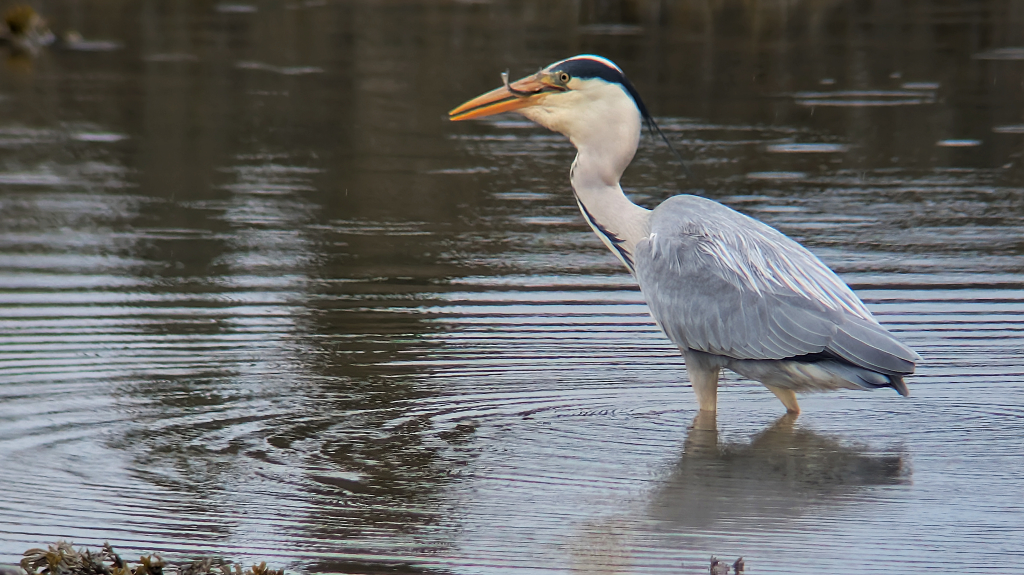
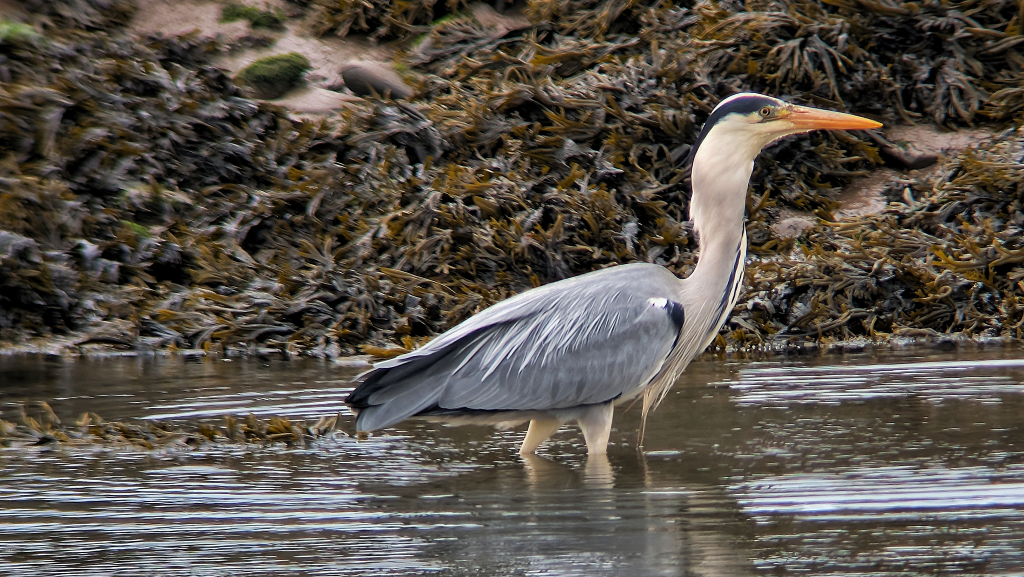
It had been another fantastic days birding along the inner Solway with my eldest two daughters. We’re looking forward to our next adventure already…