

Dipping is the art of traveling to see a rare or scarce bird, but failing to see said bird. The pain of the ‘dip’ often correlates to the distance traveled or the personal history the ‘dipper’ has with the species. It can be a complicated relationship!
The back story…
I have a fairly brief history with Kentish Plover within the UK. About twenty-six years ago I attempted to twitch the species at Spurn Point NR. Unfortunately seconds before I approached where the bird was viewed from it took flight and was never seen again. Dipping is never a fun experience, but when you have consolation in connecting with both Tawny Pipit and a male Black-faced Bunting, it’s hard to complain!
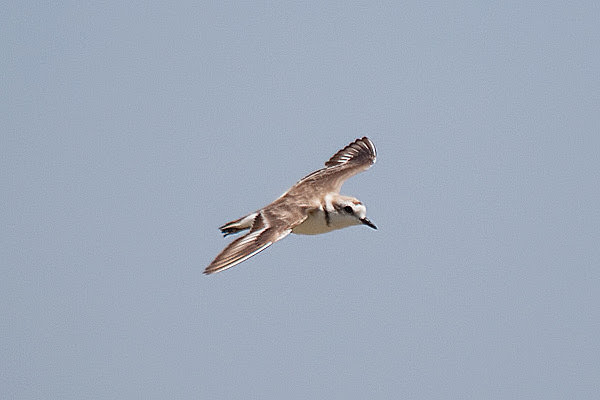
Dipping the Bowness Kentish Plover…
Last Wednesday evening I became aware that there had been a female Kentish Plover near Bowness Railings earlier that afternoon. Although I have seen this species in several countries overseas, I had yet to see one in the UK. More importantly though, this plover was at Bowness Railings, a site that I check regularly in the hope of finding a rarity like this.
The following day the bird reporting services were informing that the Kentish Plover was still present and showing well. This was good news, though it triggered some pretty intense anxiety for me (bipolar strikes again)! Fairly regular updates on the birds presence came in up to early afternoon, then ‘radio silence’, no news either way.
I was still quietly optimistic that the bird was still present, though my anxiety was disproportionately high. This was a stark reminder that my bipolar brain was struggling to cope with this type of scenario (one of several reasons that forced me to give up birding over ten years ago). I felt awful but I was functional, so twitch on!
By mid-afternoon Kath had finished work and we were on our was to Bowness Railings. On arrival it was fairly clear that the bird hadn’t been seen since 13.30ish, and it had likely moved on. I felt okay about this and my anxiety lifted, a surprisingly nice feeling! I searched through the many shorebirds present to see what was there, and a slither of hope that the Kentish Plover may have slipped in the roost (it hadn’t though).
Stunning shorebirds…
There was a good number of Tundra-type Ringed Plovers still present, withe some showing exceptionally close.
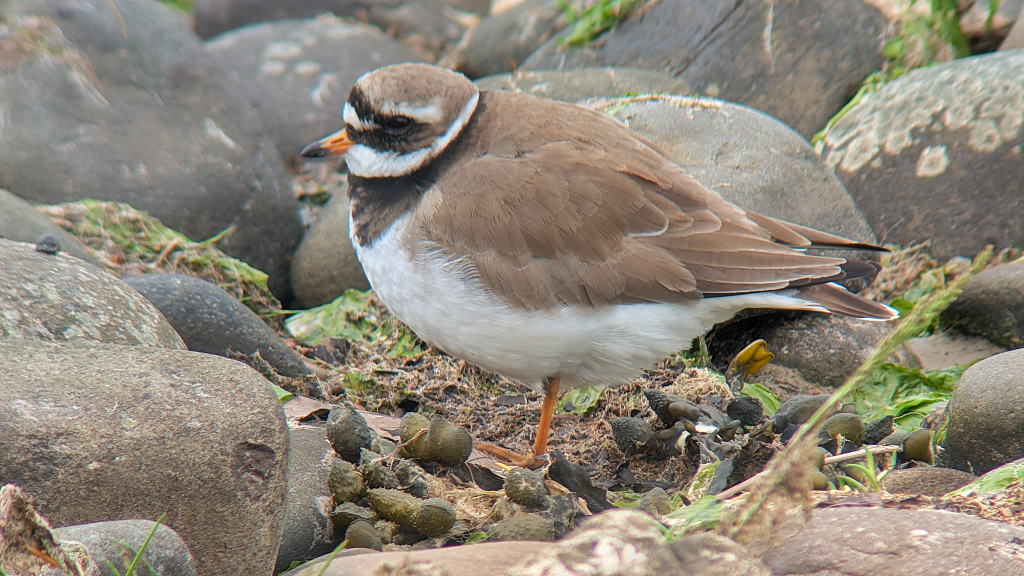
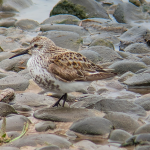
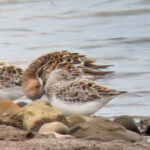
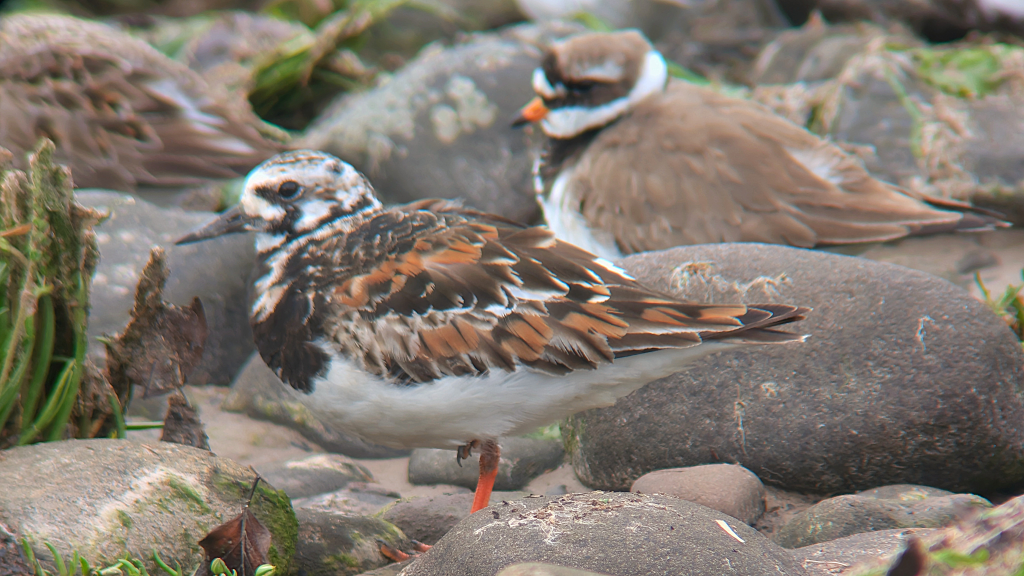
Amongst the Ringed Plover and Dunlin was a Red Knot and a beautiful Ruddy Turnstone, in fairly advanced breeding plumage.
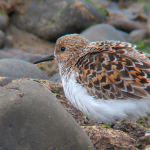
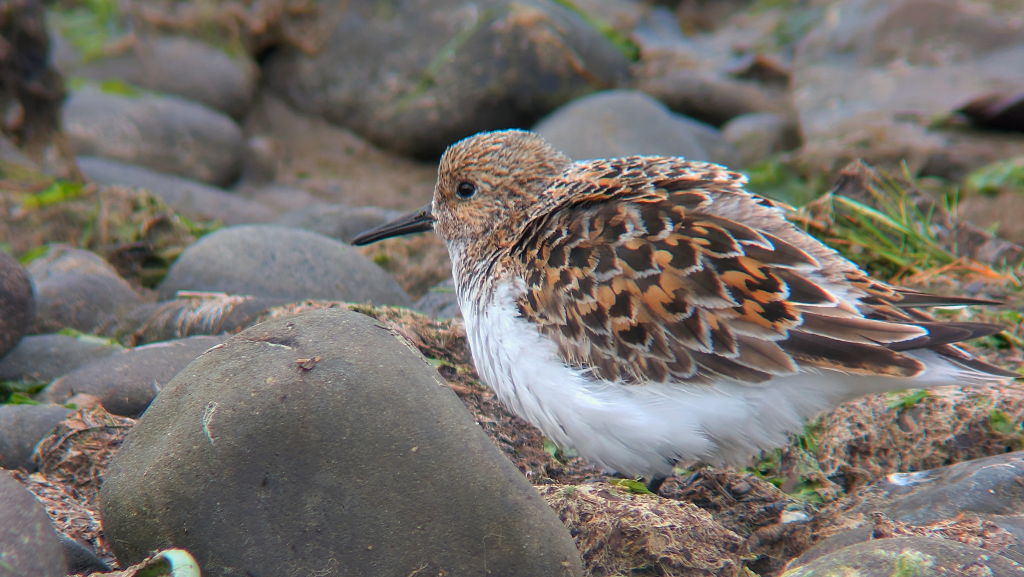
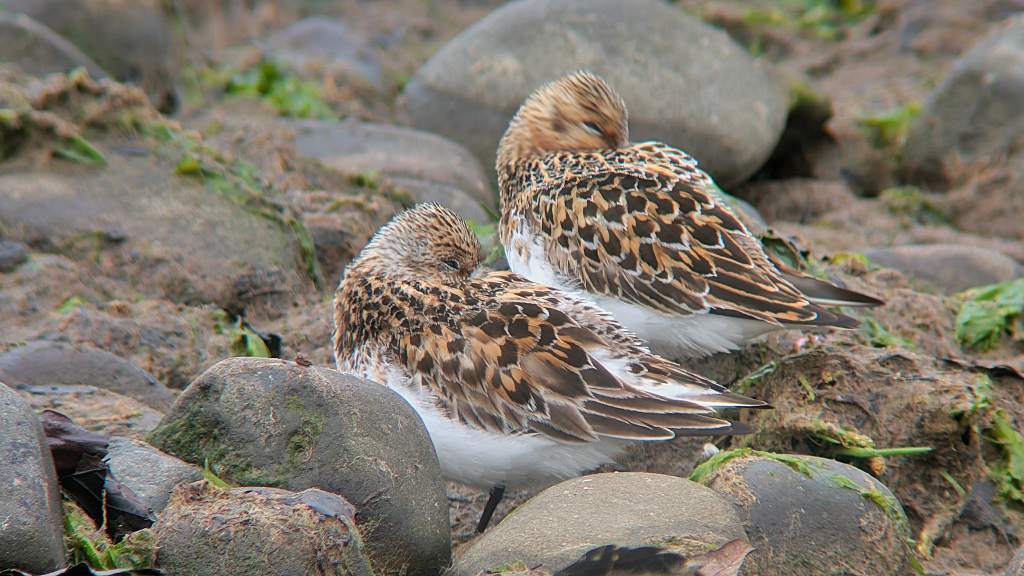
Competing with the Ruddy Turnstone’s bright plumage, were several Sanderling in all their breeding finery.
Despite dipping the Kentish Plover, the supporting cast of shorebirds and catching up with familiar faces made it a pleasant experience. I do need to work on my anxiety issues, but like all things bipolar, it is a work in progress…